There is absolutely no one who does not like to eat tasty and new food. That is something that we live for. And if you are a foodie like me, then you must know how important it is to ensure that we have eaten or cooked at least one new dish every week.
At least, that is how it is for me.
If you are looking for some delicious recipes from across the world that you can make at home, I have a great option for you. Why not try to cook something from the Middle East?
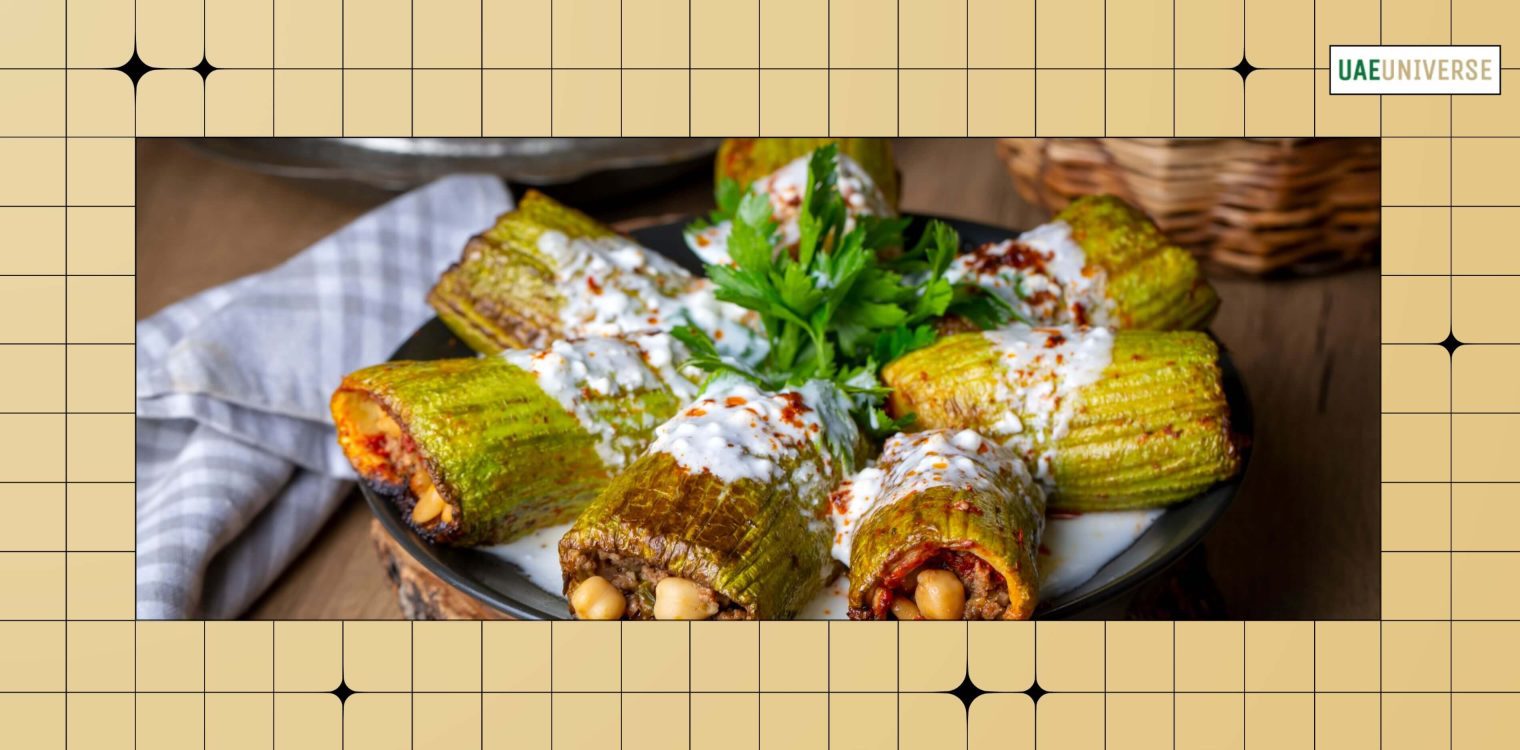
One of the most famous and easy-to-cook dishes from the delicious land of the Middle East is Kousa Mahshi. It is an authentic dish from Lebanon.
If you want to know how to make the dish at home, keep reading the article till the end.
Kousa Mahshi: Origin Of The Dish
Before moving on to the recipe of the meal, you should know about the history and the origin of the same. But, hey, you do not have to search for that anywhere else. I am here to help you!
The origin of the dish dates back to the times of the Ottoman Empire. However, the exact origin is yet unknown.
What is known about this dish is that the Turks were the ones to make it for the first time. At first, the food was made with stuffed baby zucchini or squash. Then, these vegetables were stuffed with meat and cooked in tomato sauce.
The people who were rich and could afford to eat beef used it for the stuffing. However, the common people used goat meat or lamb to make the dish as these were much cheaper.
Read More: Top 10 Places To Visit In Dubai For Free – Check It Out!
Kousa Mahshi Recipe: How To Make It At Home?
Looking for the recipe to make the delicious Kousa Mahshi at home? Well, you have reached your destination.
Preparation of Mahshi (stuffed vegetables) is a traditional Middle Eastern practice. Kousa Mahshi, then Warak Enab (stuffed grape leaves), then Batenjan Mahshi (stuffed eggplant), is everybody’s favorite.
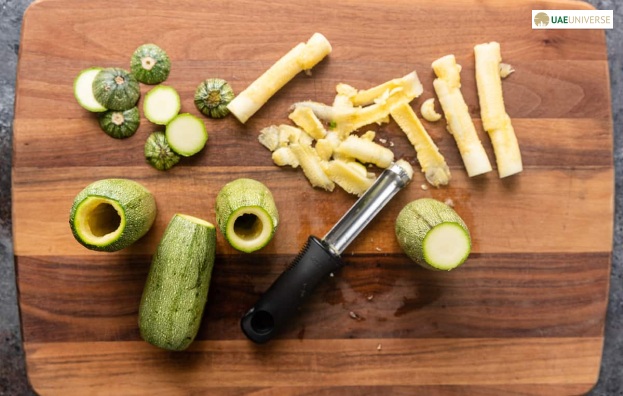
Step 1: Hollowing the Zucchini
- Wash the zucchinis thoroughly.
- Cap them and shave the central hollow with a special corer (manakra) without shattering the walls but leaving a thin layer.
- Reserve the inner pulp for use in stews, fritters, or to mix with the filling.
Step 2: Filling Preparation
Classic filling is as follows:
- Short-grain rice (such as Egyptian rice to give stickiness).
- Ground lamb or beef (for meat lovers).
- Finely chopped onions, tomatoes, garlic, and parsley.
- Spices: allspice, cinnamon, black pepper, and perhaps nutmeg or cumin.
- The bare minimum of olive oil or clarified butter to flavor it.
Step 3: Stuffing the Zucchini
- Fill the zucchinis three-quarters full—don’t give them too much room for the rice to expand.
- Don’t pack them too full, or they will burst.
Step 4: Sauce Preparation
- A sauce of tomato puree, tomato paste, garlic, pepper, salt, and lemon juice is made.
- Some recipes call for the addition of pomegranate molasses as a souring agent or yogurt sauce (in Syrian recipe).
Step 5: Cooking the Mahshi
- Line grape leaves or tomatoes at bottom of pot so that they won’t burn.
- Stand or stand on side stuffed zucchinis.
- Cover with sauce so that zucchinis get well coated.
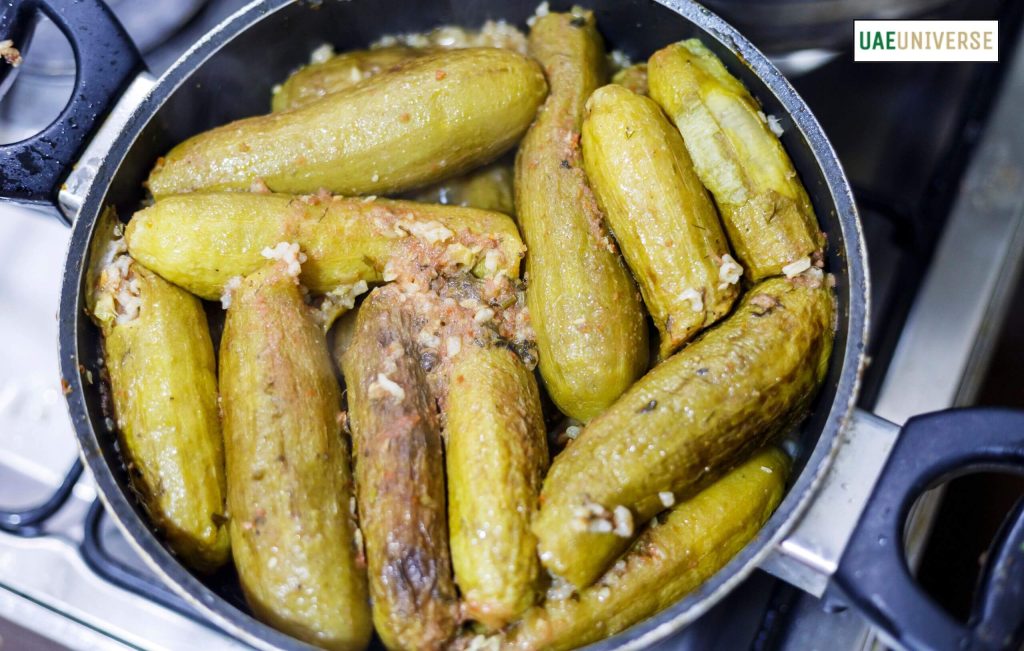
- Simmer over low heat for 40–60 minutes until the zucchinis are tender and the rice is cooked.
Kousa Mahshi Preparation Tips
- Choose the right zucchini: Use light green Middle Eastern zucchinis. If not available, use young small zucchinis.
- Use a corer (manakra): It is easy and easy to scoop out zucchinis’ insides with this tool.
- Don’t break: Cut small in filling to accommodate rice growth.
- Flavor booster: Include dried mint leaves, cinnamon sticks, or small allspice in the sauce.
- Method of cooking: Always on low heat—over-boiling kills the zucchinis.
- Side recommendation: Serve with yogurt-garlic dip or a serving of Arabic salad for that extra splash of freshness.
- Prep tip: Stored, pre-cooked, and refrigerated, hollowed-out zucchinis made ahead can be stored to be used later.
Serving Suggestions
- With garlic yogurt dip (Laban bi Toum).
- Accompany with fresh pita bread or Arabic salad (Fattoush/Tabbouleh).
- Serve with a side of pickled vegetables to give your energy a boost.

Kousa Mahshi Recipe
Equipment
- Manakra (zucchini corer)
- Dull cutting blade
- Small bowl
- Small heavy-bottom pot with lid
- Wooden spoon
- Ladle
Ingredients
For the zucchinis:
- 12–14 pcs light green small zucchinis (Kousa)
For the filling:
- 1 cup short-grain rice, rinsed
- 250 g minced lamb or beef (optional)
- 1 pcs medium onion, finely chopped
- 2 pcs medium tomatoes, diced
- 3 cloves garlic, minced
- 2 tbsp parsley, chopped
- 2 tbsp butter or olive oil
- 1 tsp ground allspice
- 1 tsp cinnamon
- ½ tsp black pepper
- 1½ tsp salt
For the sauce:
- 3 cups tomato puree
- 2 tbsp tomato paste
- 4 cloves smashed garlic
- 2 tbsp lemon juice (or pomegranate molasses)
- 1 tsp salt
- 3 cups water
Instructions
- Wash zucchinis, top them off, and hollow out interiors.
- Combine rice, meat, vegetables, herbs, and spices together to make filling.
- Fill zucchinis ¾ full.
- Heat sauce in pan: combine puree, paste, garlic, lemon juice, and water together. Boil.
- Place stuffed zucchinis in pan, top with sauce.
- Push zucchinis down with plate to hold them in place.
- Simmer 50 minutes or until rice and zucchinis are tender.
- Serve hot over salad or yogurt.
Nutritional Chart (per serving, approx.)
| Nutrient | Meat Version | Vegetarian Version |
|---|---|---|
| Calories | 320–380 kcal | 240–280 kcal |
| Protein | 15–18 g | 6–8 g |
| Carbohydrates | 34–36 g | 35–38 g |
| Fat | 14–16 g | 8–10 g |
| Fiber | 4 g | 4 g |
| Sodium | 400–500 mg | 350–420 mg |
Frequently Asked Questions (FAQs):
Here are a few questions and queries that others have asked on the kousa mahshi recipe that might help you out as well while making it.
Kousa Mahshi came from the Levant (Syria, Lebanon, Palestine, Jordan) region. Egyptian, Iraqi, and Turkish varieties are present. The Turkish variety is known as Kabak Dolması.
Kousa is a pale green type of small zucchini, extremely easy to stuff.
Mahshi is tangy, aromatic, and flavorful. The zucchini is soft and juicy, and the filling is seasoned with aromatic spices, garlic, and herbs. Tomato sauce adds it body and a splash of acidity.
Yes! Although most are meat-based, veggie Mahshi is also popular with the people, prepared with rice, tomatoes, onions, parsley, and spices. Vegetarian Mahshi employs chickpeas or lentils to add protein.
Yes—you may oven bake in a casserole covered with tomato sauce, but slow stovetop simmering is traditional to develop the flavor.
Yes—freeze hollowed-out zucchinis or cook and freeze Mahshi. Reheat after thawing in sauce.
Ending It On A Hungry Note!
Kousa Mahsho is one of the easiest and most wholesome foods to make in the world. The roots of the dish date back to the Ottoman Empire in the land of the Turks.
The meal belongs to the family of the Dolma kind. In this kind of meal, the vegetable is stuffed with either meat or other vegetables and cooked in a gravy.
The meaning of the term Kousa is either zucchini or squash. The best type of zucchini that you can use to make this meal is the small baby zucchinis.
The basic step that you need to take to cook this meal is to scrape out the placenta of the vegetable that you’re going to stuff and make sure that there are no seeds inside.
I have mentioned the step-by-step process of making this meal. If you are a foodie like me and were looking for the recipe for this famous Kousa Mahshi from Lebanon, I hope you found this article helpful.
What are you waiting for? Go and make this feel like you are in the Middle East while sitting in our comfy chair in the house.
Read Also: