United Arab Emirates is a country of extremes—gleaming strips of towers sliced through sand-scorched dunes, modernity meets ancient heritage.
Lying beneath it rots Emirati cuisine, as great and varied as the country itself. It’s inspired by Bedouin, Persian, Indian, and East African, so Emirati cuisine is rich, aromatic, bountiful, and open-handed.
From rich banquet feasts to royal desert bites, Emirati food is a delectable window into the country’s soul, history, and values.
The Cultural Roots of Emirati Cuisine
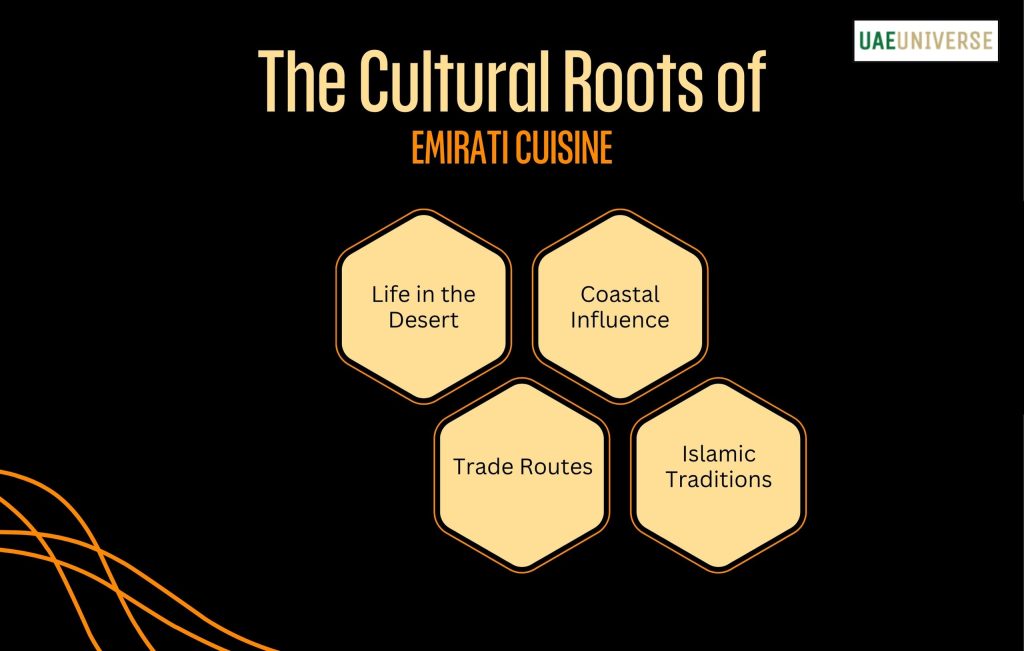
Emirati food is the product of geography, trade, religion, and determination fueled by:
- Life in the Desert: Bedouins lived on dates, milk, meat, and cereals—foods that were tough enough to survive the desert. Food was simple, filling, and aimed at warding off hunger.
- Coastal Influence: Coastal towns and fishing towns along the Gulf brought in foods like jesheed (infant shark), samak mashwi (grilled fish), and rice plates.
- Trade Routes: The UAE was a hub of activity on the Silk and Spice Routes. This facilitated the introduction of spices like cardamom, saffron, cinnamon, cloves, turmeric, and food like rice, tea, and dried fruits.
- Islamic Traditions: Religious traditions such as Ramadan and Eid affect food rituals. Food tradition is traditional to social meals, with halal teaching, and hospitality culture.
Emirati Food You Must Try: 30+ Authentic Dishes and Drinks
Come along with us on a UAE food tour of the most favorite, popular, and authentic dishes in the country, from street foods and breakfasts through to upscale dining main courses and indulgent desserts.
Main Courses & Comfort Foods
1. Chicken Majboos (Machboos)
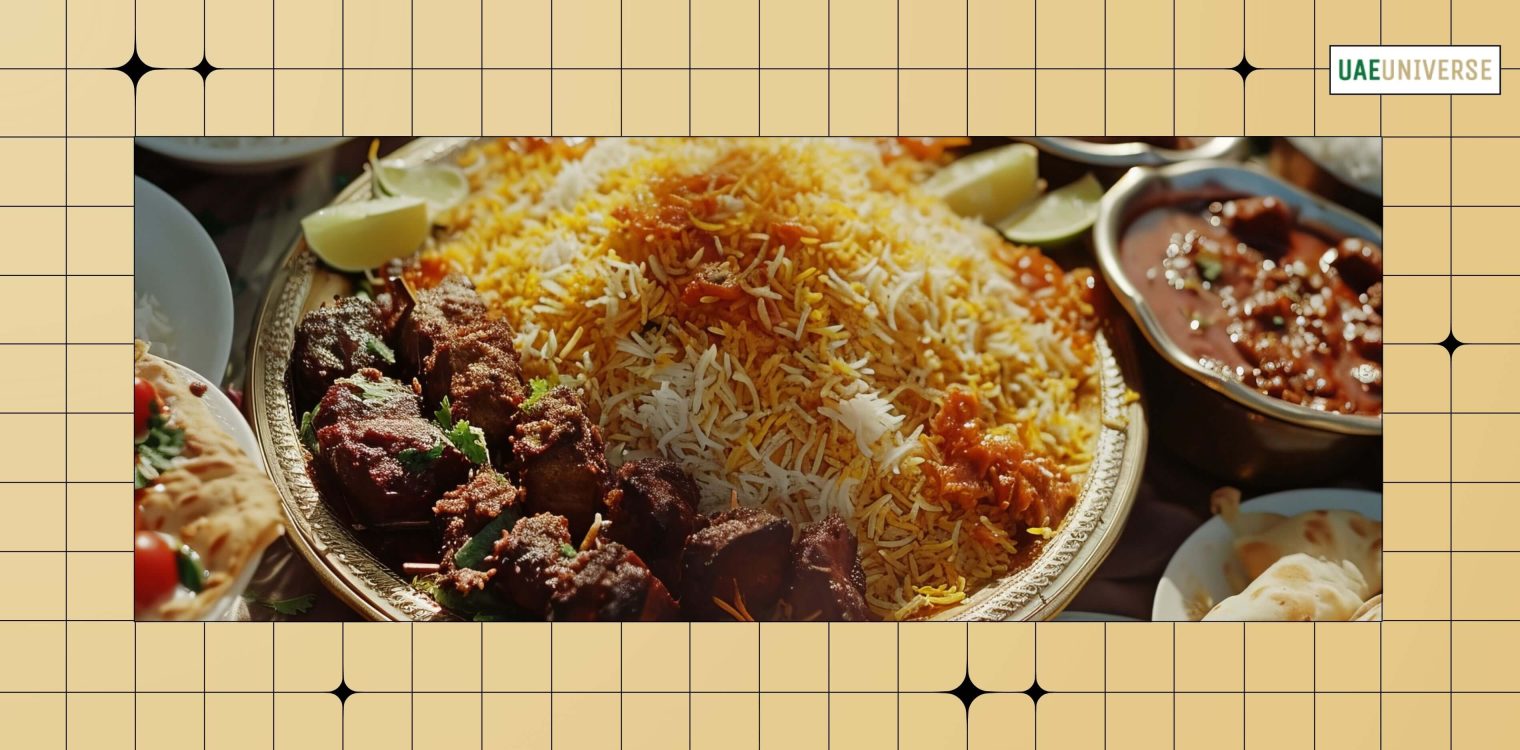
A national favorite of UAE now, Majboos is a pilaf-layered rice dish of meat, dried lime (loomi), saffron, and spices. Although similar to biryani but with a typical Gulf flavor twist, it’s rich, aromatic, and filling.
- Variants: Chicken, lamb, or seafood majboos
- Occasions: Eid celebrations, family gatherings, weddings
2. Lamb Khuzi (Ghuzi)
This is UAE’s royal banquet counterpart—lamb braised low and long over a mountain of saffron rice, topped with fried nuts, raisins, and hard-boiled eggs. Khuzi is ceremonial, lavish, and served only for extraordinary occasions.
Where to try it: Al Fanar Restaurant or Seven Sands
3. Arabian Chicken Mandi
Smoked over an underground tandoor-type pit, mandi is Yemeni traditional food but a favorite in UAE. The meat basically disintegrates and is seasoned with the aroma of earth spices.
4. Tharid
A crushed regag bread served with a stew of meat and vegetables. Tharid is the favorite of Prophet Muhammad (PBUH) and has special religious and cultural significance during the entire Ramadan.
5. Jesheed
One of the Emirati specialties among the fishermen, jesheed contains minced baby shark, fried in turmeric, garlic, and black lime. White rice or regag are served on the side, introducing a new sea flavor to the adventurers.
6. Bamya
Okra and meat stewed in tomato gravy, usually served over rice or khubz (flatbread). Iraqi and Levantine in origin, bamya is a regular in Emirati homes.
7. Chicken Quinoa Bowl (Fusion)
A spoonful of Emirati fusion food new, this is made up of za’atar or sumac local spices mixed with nutritious quinoa, chicken breast, and vegetables. Menu items available in city health cafés.
8. Grilled Chicken Kebabs
Meaty chicken diced pieces grilled on charcoals, served with garlic sauce and flatbread. Available in street food stalls and 5-star restaurants.
9. Harees
Harees is eaten to break fasts during Ramadan. It is slow-cooked lamb or chicken and cracked wheat porridge, rich and filling, well-spiced.
10. Mujadara
Vegetable dish of rice, lentils, and sweet caramelized onions. Healthy and delicious, Mujadara is normally eaten with yogurt or salad.
Breads & Savory Breakfasts
11. Regag
A thin, crispy crepe-type bread, usually fried on a hot griddle and served with cheese, eggs, fish sauce, or Nutella. Regag is eaten at street stalls or home.
12. Al Jabab Bread
Sweeter and chewier than al regag, al jabab is thicker. Usually served with date syrup or cheese as side dishes.
13. Khameer Bread
The khameer bread is a leavened traditional loaf, usually saffron-flavored, date-flavored, or cardamom-flavored. Breakfast with labneh or honey.
14. Balaleet
Sweet-savory breakfast of eggs topped with saffron-sweetened vermicelli. Sweet noodles and eggs combine to make it traditionally Emirati.
15. Chebab
Emirati pancakes are saffron-, rosewater-, and cardamom-flavored. The chebab is served with cream cheese and date syrup, the pancakes are spongy, light, and fragrant.
Street Foods & Mezze
16. Samboosa
Deep-fried triangular dough stuffed with meat, potatoes, cheese, or vegetables. Hot sauce or mint chutney, traditionally Samboosa is served during Ramadan.
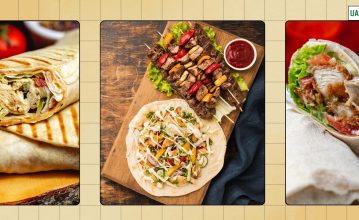
17. Chicken Shawarma
Sliced chicken off a vertical spit served in Arabic bread with garlic sauce and pickles. On street corners and well and truly part of Emirati street food.
18. Cauliflower Shawarma (Vegetarian Fusion)
Roasted cauliflower in shawarma spice wrapped in tahini and pomegranate seeds. Healthy vegan option in an upscale café.
19. Manakish
A za’atar, cheese, or minced lamb topped flatbread, freshly baked, all yours. Manakish is a well-liked snack or light meal across the UAE.
20. Mezze Platter
A sharing mezze platter of hummus, baba ghanoush, tabbouleh, labneh, olives, and pickled vegetables. Usually served before most meals as a starter or appetiser.
21. Fattoush
Light Levantine salad of pita chips, cucumbers, radish, and sumac dressing. Fresh and citrusy, and served to accompany rich meat dishes.
Sweets, Desserts & Drinks
22. Lugaymat (Luqaimat)
Fried dough balls with date honey or molasses, coated with sesame seeds. Crispy outside, warm and soft inside.
23. Maamoul
A Maamoul is a date-filled cookies made during RamadaMahalabian and Eid. Also pistachio or walnut filled.
24. Mahalabia
A milk pudding perfumed with orange blossom or rosewater, cooled and served garnished with pistachios. The Mahalabia is a cold dessert after dinner or served at Iftar.
25. Khabeesa
A semolina dessert course perfumed with sugar and butter, cardamom, and saffron. The Khabeesa is a well-liked morning or post-lunch snack.
26. Asida
A celebratory dessert of wheat flour, water, and ghee typically honeyed. The asida is typically served hot, and it’s typically served during religious holidays.
27. Baba Ghanoush
Technically a mezze, although baba ghanoush may also be served as a dip or spread breakfast. It consists of roasted eggplant, tahini, lemon juice, and garlic.
28. Jallab Drink
Summer drink made with date molasses, date syrup, rose water, and garnished with pine nuts. The Jallab drink is cool and smoky.
Where to Eat Authentic Emirati Food in Dubai/Abu Dhabi?
Whether you just so happen to live in Sharjah or not, these are some of the best restaurants to try Emirati food.
| Restaurant | Location | Specialty |
|---|---|---|
| Al Fanar Restaurant | Dubai Festival City / Al Barsha / Yas Mall | Full traditional menu |
| SMAT | Dubai Design District | Emirati fusion cuisine |
| Logma | Boxpark / The Dubai Mall | Emirati street food modern |
| Seven Sands | JBR | Upscale sea-view Emirati cuisine |
| Arabian Tea House | Al Fahidi | Alfresco dining setting, traditional |
| Bayt Al Wakeel | Alfresco dining setting, traditional | Waterfront ambience with local cuisine |
Emirati Food Etiquette and Dining Traditions
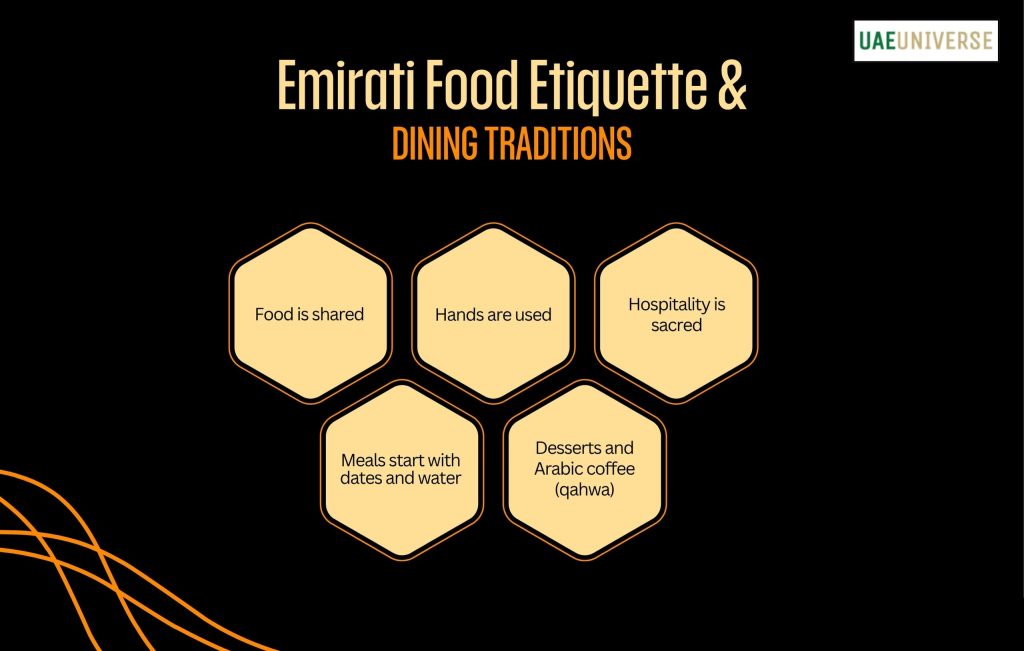
- Food is shared: Food is usually eaten together off a single large plate, especially rice food.
- Hands are used: The right hand is the correct hand to use when eating.
- Hospitality is sacred: Guests are always given food and fluids as a sign of respect.
- Meals start with dates and water during Ramadan or religious ceremonies.
- Desserts and Arabic coffee (qahwa) historically conclude a standard meal.
More Than a Meal—A Cultural Connection
Emirati cuisine isn’t merely something to put in words from a menu—it’s a vibrant window into the history, values, and culture of UAE.
Whether wedding’s slow-cooked majboos, fried ramadan lugaymat sweets, or simple regag street snack, each morsel is evidence of resilience, of generosity, and of identity.
The next time you are in the UAE, don’t just stick to hummus and shawarma—fully immerse yourself in the genuine Emirati eating culture. Dine like the locals. Dine with the locals. Discover secrets. To everyone else, simply make the most of every moment that counts.